%2Ffit-in%2F250x250%2Fguide_websites%2F58868%2Fimages%2F1766468298212chatgptimagedec23202501_38_10pm.png&w=1920&q=100)
/users/18a90503-7e3c-41b2-9e8d-73aadf2603c0/ratecard/d915ad495dad704b830962133ed896cc-mji4iaze.jpeg)
%2F300x300%2Fusers%2F18a90503-7e3c-41b2-9e8d-73aadf2603c0%2Fratecard%2Fd915ad495dad704b830962133ed896cc-mji4iaze.jpeg&w=256&q=75)
%2F300x300%2Fusers%2F18a90503-7e3c-41b2-9e8d-73aadf2603c0%2Fimages%2Fpeaceful-fishing-blue-point-2337.jpg&w=256&q=75)
%2F300x300%2Fusers%2F18a90503-7e3c-41b2-9e8d-73aadf2603c0%2Fimages%2Ffishing-at-blue-point-2688.jpg&w=256&q=75)
%2F300x300%2Fusers%2F18a90503-7e3c-41b2-9e8d-73aadf2603c0%2Fimages%2Ffishing-in-new-york-2442.jpg&w=256&q=75)
%2F300x300%2Fusers%2F18a90503-7e3c-41b2-9e8d-73aadf2603c0%2Fimages%2Fbest-great-fishing-ny-2382.jpeg&w=256&q=75)
%2F300x300%2Fusers%2F18a90503-7e3c-41b2-9e8d-73aadf2603c0%2Fimages%2Fstriped-bass-fishing-tour-ny-2478.jpeg&w=256&q=75)
%2F300x300%2Fusers%2F18a90503-7e3c-41b2-9e8d-73aadf2603c0%2Fimages%2Fstriped-bass-fishing-blue-point-2521.jpg&w=256&q=75)
%2F300x300%2Fusers%2F18a90503-7e3c-41b2-9e8d-73aadf2603c0%2Fimages%2Ffishing-blue-point-2511.jpg&w=256&q=75)
%2F300x300%2Fusers%2F18a90503-7e3c-41b2-9e8d-73aadf2603c0%2Fimages%2Fgreat-fishing-blue-point-2538.jpg&w=256&q=75)
%2F300x300%2Fusers%2F18a90503-7e3c-41b2-9e8d-73aadf2603c0%2Fimages%2Fstriped-bass-blue-point-fishing-2766.jpg&w=256&q=75)
%2F300x300%2Fusers%2F18a90503-7e3c-41b2-9e8d-73aadf2603c0%2Fimages%2Fbest-great-striped-bass-ny-2607.jpg&w=256&q=75)
6 Hour Blue Point Inshore Kelly Anne Charters
What you will be catching:
 Black Sea Bass
 Bluefish
 Spotted Weakfish
 Striped Bass
 Summer Flounder
- 6-hour charter accommodates up to 6 anglers with provided equipment
- Expert captain instruction covers casting, drifting, and jigging techniques
- Multiple fishing locations targeted around Long Island's South Shore waters
Trip Pricing and Availabilities:
6 Hour Blue Point NY Fishing Charter
Looking for a solid day on the water without the pressure of a quick half-day trip? This 6-hour Blue Point fishing charter gives you and your crew plenty of time to really get into the groove. At $600 for up to 4 anglers, it's one of the best values on Long Island's South Shore – and you can bring along a couple extra buddies for just $50 each. Captain Kelly Anne knows these local waters like the back of her hand, from the protected bays where the action stays consistent to those prime nearshore spots that produce when conditions line up just right.
What to Expect on the Water
Six hours gives you the luxury of time most charters can't offer. You're not watching the clock or rushing between spots – instead, you get to settle in and really work an area when the fish are biting. Kelly Anne tailors each trip based on what's happening that day, whether that means working the grass flats in the morning and moving to deeper structure later, or spending quality time around the inlet mouths where baitfish concentrate. The vibe here is relaxed but productive, perfect for families wanting to introduce kids to fishing or groups of friends looking to escape the daily grind. Don't worry if you've never held a rod before – Kelly Anne's got the patience to get you casting and catching, plus all the gear you'll need is already on board.
Light Tackle Techniques
The beauty of inshore fishing around Blue Point is the variety of techniques that work. Depending on conditions and what the fish want, you might find yourself casting lures toward structure, drifting with live bait over sandy bottom, or jigging bucktails around drop-offs. Kelly Anne keeps a full spread of light tackle gear that's perfect for the South Shore – sensitive enough to feel those subtle weakfish bites but with enough backbone to handle a good-sized striper. The boat comes stocked with everything from soft plastics and spoons to fresh bait, and she's always ready to switch up the approach if one method isn't producing. You'll learn techniques you can use on your own, but more importantly, you'll understand why certain presentations work in specific spots and conditions.
Top Catches This Season
The waters around Blue Point offer some of the most consistent inshore fishing on Long Island, with different species taking center stage throughout the year. Striped bass are the bread and butter here, especially during their spring and fall migrations when schools move through the area in impressive numbers. These fish range from schoolies that are perfect for beginners to keeper-sized bass that'll test your drag system. Summer flounder provide excellent action during the warmer months, and there's nothing quite like watching a nice fluke inhale your bait on a sandy bottom. The technique required to consistently catch them – feeling for that subtle tap and knowing when to set the hook – makes every fish feel earned.
Black sea bass have made a real comeback in recent years, and the rocky structure around the inlet areas holds some beautiful fish. They're aggressive biters that fight hard for their size, making them a customer favorite, especially with kids who love the steady action. Bluefish bring raw power to the mix when they're around, often showing up in feeding frenzies that create some of the most exciting fishing you'll find anywhere. Finally, spotted weakfish – or "specks" as the locals call them – offer some of the most technical fishing. Their soft mouths and finicky feeding habits require a delicate touch, but when you dial in the presentation, they can provide non-stop action in shallow water.
Time to Book Your Spot
This 6-hour charter hits the sweet spot between having enough time to really fish and not committing to a full day that might be too much for some crew members. The $600 price point makes it accessible for most groups, and the option to add extra anglers means you don't have to leave anyone behind. Kelly Anne's knowledge of the local waters, combined with quality gear and a relaxed approach, creates the kind of fishing experience that keeps customers coming back season after season. Remember that deposits are non-refundable, so pick your date carefully – but also know that you're booking with one of the most reliable charters operating out of Blue Point. Whether you're looking to introduce someone to fishing, celebrate a special occasion, or just get away from it all for a few hours, this trip delivers the goods.
Learn more about the species
Black Sea Bass
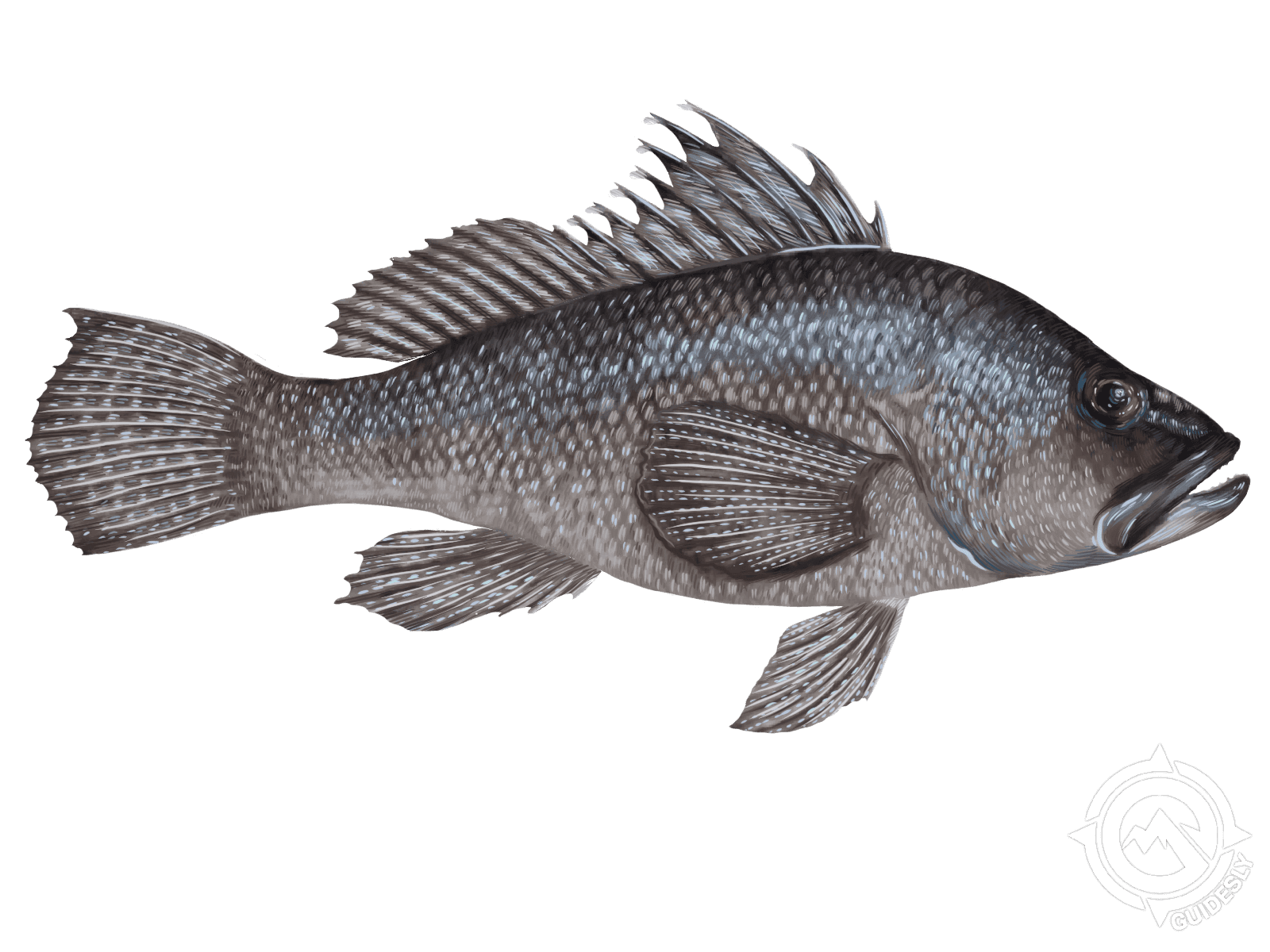
Black sea bass are chunky bottom dwellers that love structure - wrecks, jetties, rocky areas, you name it. Most run 2-4 pounds, but the bigger males can hit 8+ pounds and develop that distinctive hump on their heads during spawn. Late spring through summer is prime time when they move into shallower water around our local structure. Guests enjoy them because they fight hard for their size and make excellent table fare with firm, sweet meat. Interesting fact - they all start as females and change to males as they grow. Best approach is bottom fishing with squid, clams, or crab near any hard structure. Keep your rod tip up and be ready - they'll grab bait and head straight back to cover, so you need to turn them quick.
Bluefish
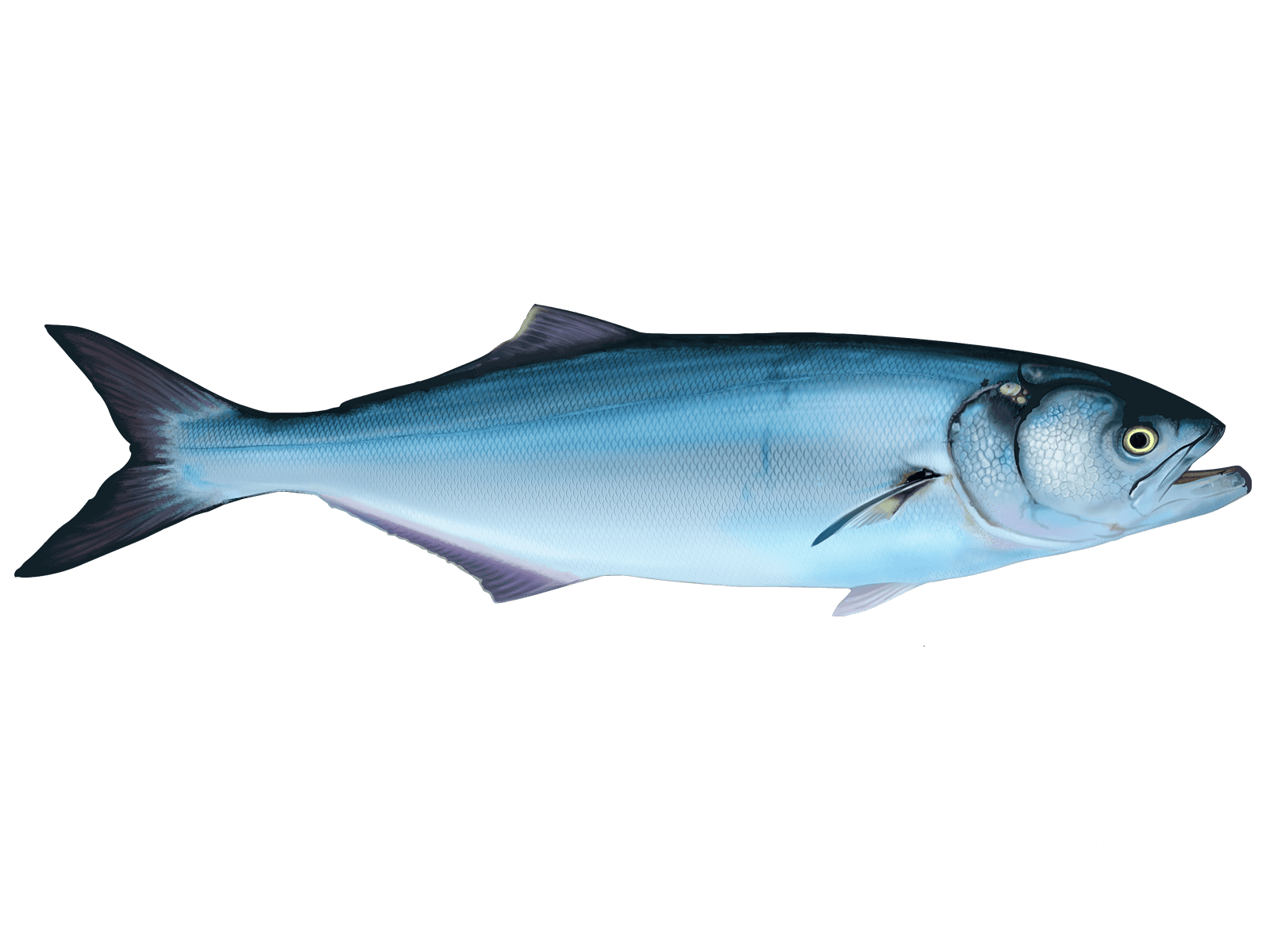
Blues are aggressive feeders that'll give you a real battle once hooked. Around here, we typically see them 12-20 inches, though larger ones push into the teens weight-wise. They school up in sandy harbors, bays, and along the surf, especially during their summer runs from June through October. What guests love is their fighting spirit - they'll make runs and thrash hard right to the boat. Plus they're decent eating when prepared fresh, though the smaller "snappers" in late summer are milder. Be careful of those razor-sharp teeth when handling them. For the best success, look for diving birds or churning water where they're feeding. Cut bait like bunker or mackerel works great, and don't be afraid to use wire leaders.
Spotted Weakfish
Spotted weakfish are solid fighters that most folks around here call "speckled trout," though they're actually drum family fish. These silver beauties with dark spots typically run 12-16 inches, but we see some pushing 3 feet in good years. They love shallow sandy areas and seagrass beds, especially during warmer months when they move into our bays and inlets. Spring through fall gives you the best shot at them. What makes them special is their soft mouth - you need to keep steady pressure without jerking too hard or they'll throw the hook. Great table fare too, with sweet white meat. My go-to trick is a slow retrieve near the surface with flashy lures, then speed up once they show interest to trigger that strike response.
Striped Bass
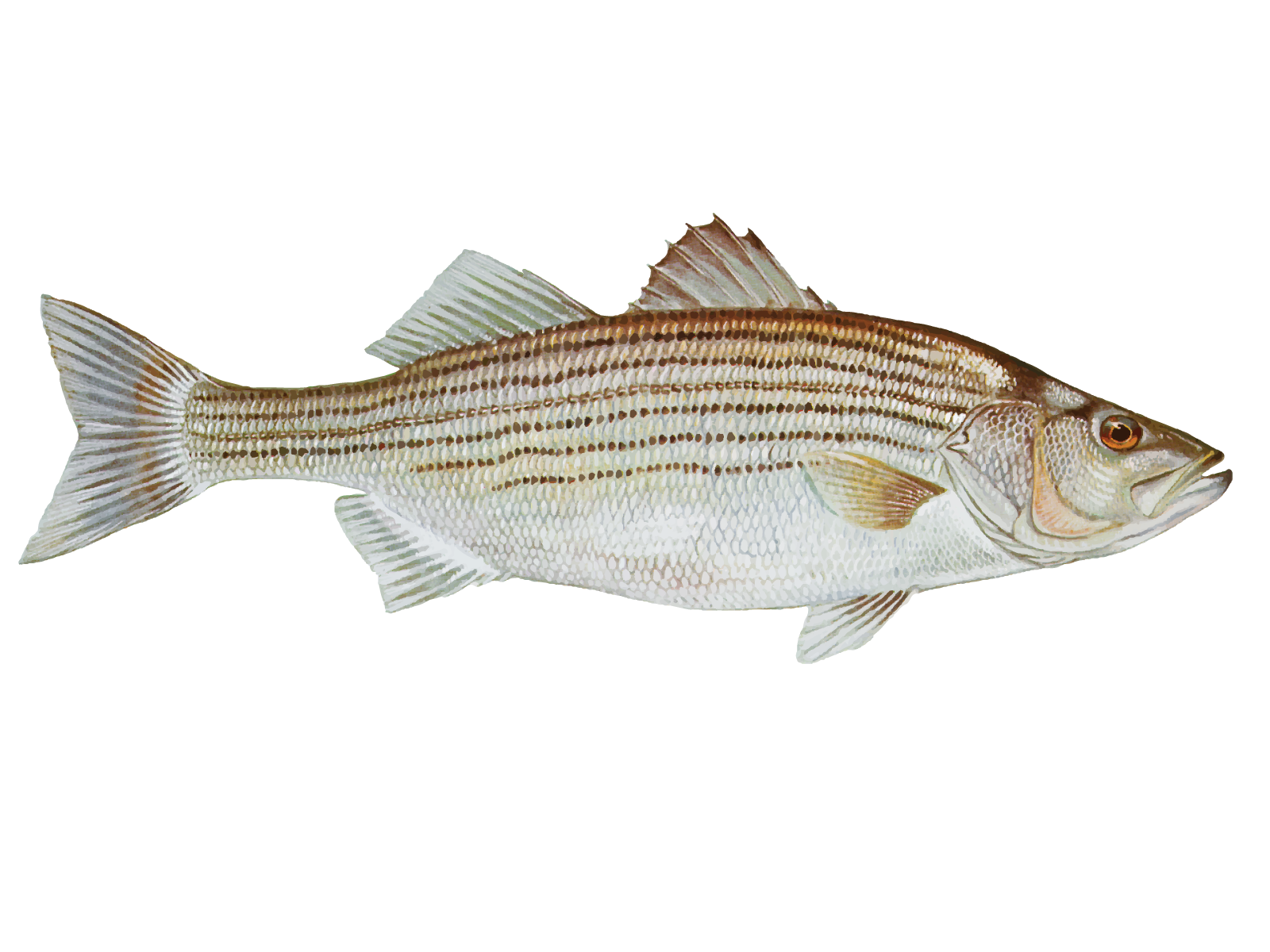
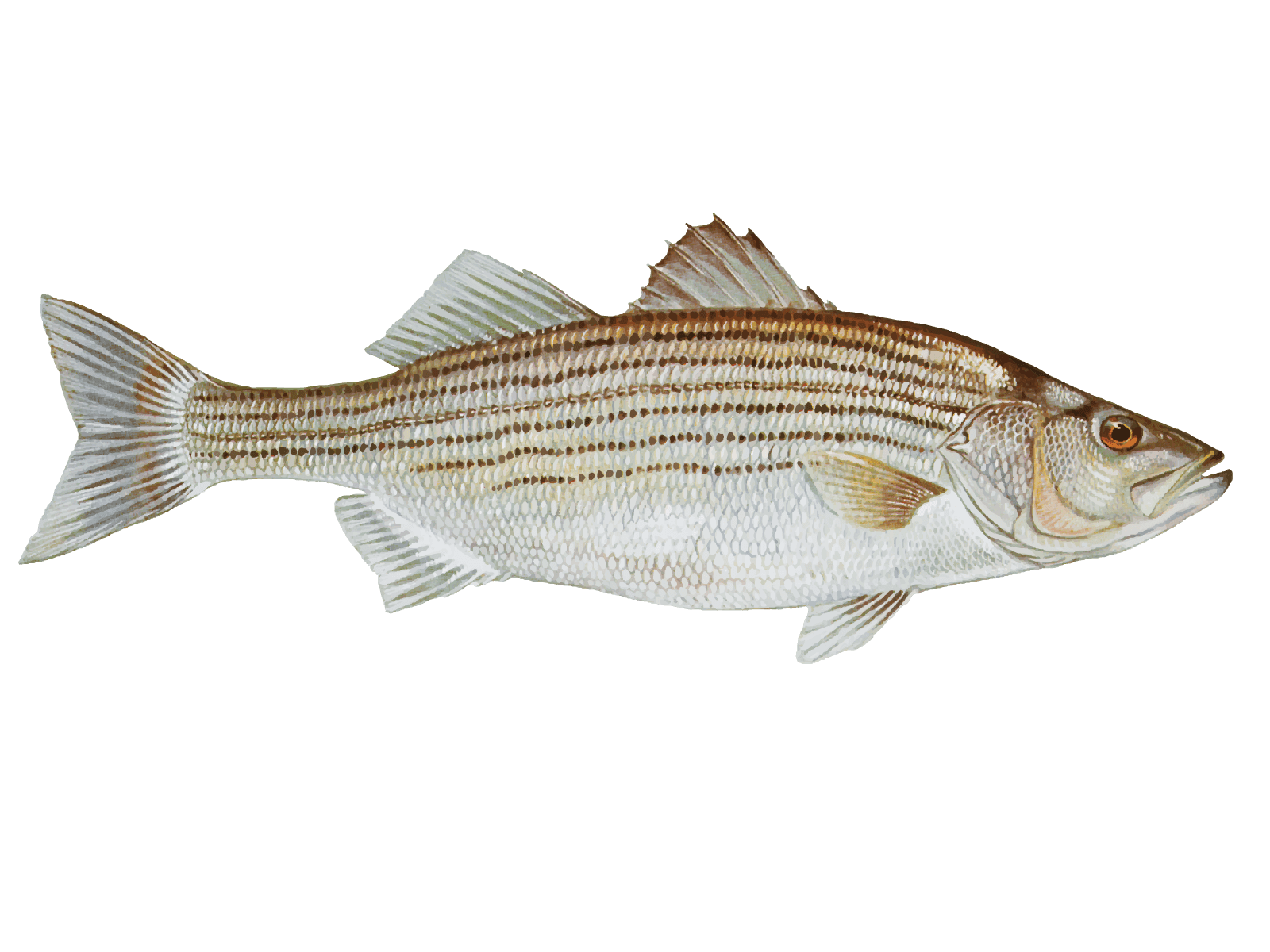
Stripers are the king of our inshore waters, with those classic dark horizontal stripes making them easy to identify. Around here, most run 20-40 pounds, though we get smaller schoolies and the occasional monster. They're structure-oriented fish, so we find them near jetties, drop-offs, and along shorelines with current. Spring and fall offer the best action during their migrations, but summer can be solid too. What makes them special is their power - these fish will make long runs and really test your drag. They're also excellent eating with sweet, flaky meat. The trick is fishing the moving water at dawn and dusk when they're most active. Live bait like bunker or eels works best, and don't be surprised if you hook into a fish that takes you into your backing.
Summer Flounder
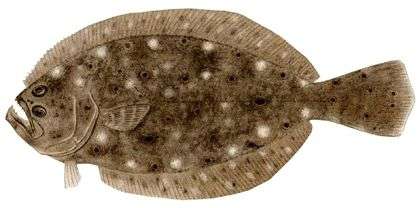
Summer flounder, or fluke, are the masters of camouflage lying flat on sandy bottoms waiting to ambush prey. Most run 15-20 inches, but keepers need to hit our size limits, and the big "doormat" fluke can reach impressive sizes. They're active from late spring through fall, with September and October being prime months. Guests love the challenge of detecting their subtle bites and the fight they put up once hooked. Plus, fluke are hands-down some of the best eating fish we target - firm, white, flaky meat that's hard to beat. The key is drifting with live bait or bucktails tipped with squid, keeping just enough weight to stay on bottom. When you feel that tap-tap, don't set the hook right away - let them run with it a few seconds first.
About the Kelly Anne Charters
%2F%2Fusers%2F18a90503-7e3c-41b2-9e8d-73aadf2603c0%2Fvehicle_picture%2Fsnapinsta-ai_ddifmiivwgk-mji2rpn2.jpg&w=1920&q=75)
Vehicle Guest Capacity: 4
Manufacturer Name: Suzuki
Maximum Cruising Speed: 25
Number of Engines: 2
Horsepower per Engine: 300