%2Ffit-in%2F250x250%2Fguide_websites%2F58868%2Fimages%2F1766468298212chatgptimagedec23202501_38_10pm.png&w=1920&q=100)
/users/18a90503-7e3c-41b2-9e8d-73aadf2603c0/ratecard/38b1c0a51b80dbf5d92fc4769de171b5-mji4fyeb.jpg)
%2F300x300%2Fusers%2F18a90503-7e3c-41b2-9e8d-73aadf2603c0%2Fratecard%2F38b1c0a51b80dbf5d92fc4769de171b5-mji4fyeb.jpg&w=256&q=75)
%2F300x300%2Fusers%2F18a90503-7e3c-41b2-9e8d-73aadf2603c0%2Fimages%2Fpeaceful-fishing-blue-point-2337.jpg&w=256&q=75)
%2F300x300%2Fusers%2F18a90503-7e3c-41b2-9e8d-73aadf2603c0%2Fimages%2Ffishing-at-blue-point-2688.jpg&w=256&q=75)
%2F300x300%2Fusers%2F18a90503-7e3c-41b2-9e8d-73aadf2603c0%2Fimages%2Ffishing-in-new-york-2442.jpg&w=256&q=75)
%2F300x300%2Fusers%2F18a90503-7e3c-41b2-9e8d-73aadf2603c0%2Fimages%2Fbest-great-fishing-ny-2382.jpeg&w=256&q=75)
%2F300x300%2Fusers%2F18a90503-7e3c-41b2-9e8d-73aadf2603c0%2Fimages%2Fstriped-bass-fishing-tour-ny-2478.jpeg&w=256&q=75)
%2F300x300%2Fusers%2F18a90503-7e3c-41b2-9e8d-73aadf2603c0%2Fimages%2Fstriped-bass-fishing-blue-point-2521.jpg&w=256&q=75)
%2F300x300%2Fusers%2F18a90503-7e3c-41b2-9e8d-73aadf2603c0%2Fimages%2Ffishing-blue-point-2511.jpg&w=256&q=75)
%2F300x300%2Fusers%2F18a90503-7e3c-41b2-9e8d-73aadf2603c0%2Fimages%2Fgreat-fishing-blue-point-2538.jpg&w=256&q=75)
%2F300x300%2Fusers%2F18a90503-7e3c-41b2-9e8d-73aadf2603c0%2Fimages%2Fstriped-bass-blue-point-fishing-2766.jpg&w=256&q=75)
%2F300x300%2Fusers%2F18a90503-7e3c-41b2-9e8d-73aadf2603c0%2Fimages%2Fbest-great-striped-bass-ny-2607.jpg&w=256&q=75)
Blue Point Inshore Fishing Kelly Anne Charters
What you will be catching:
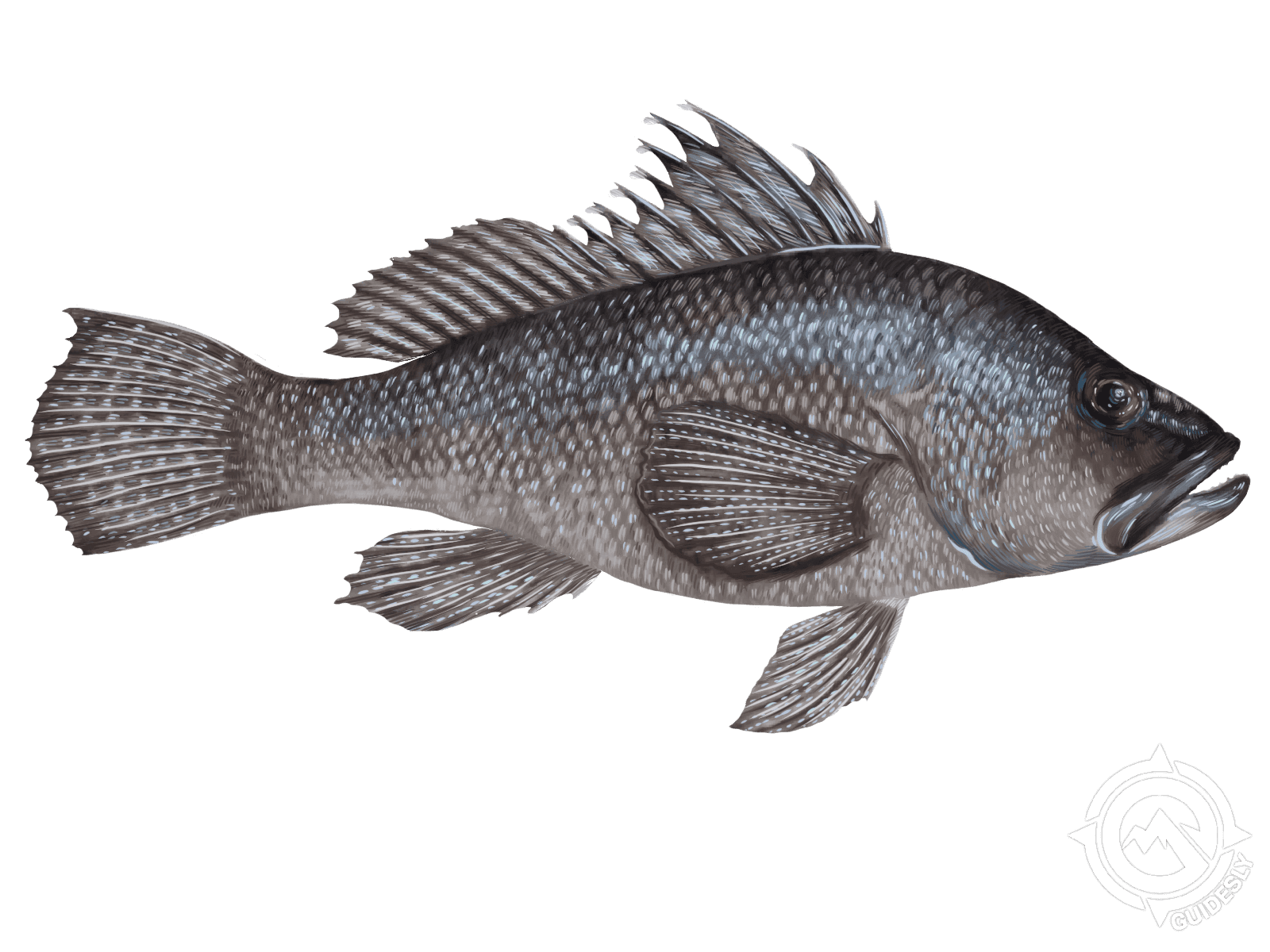
 Black Sea Bass
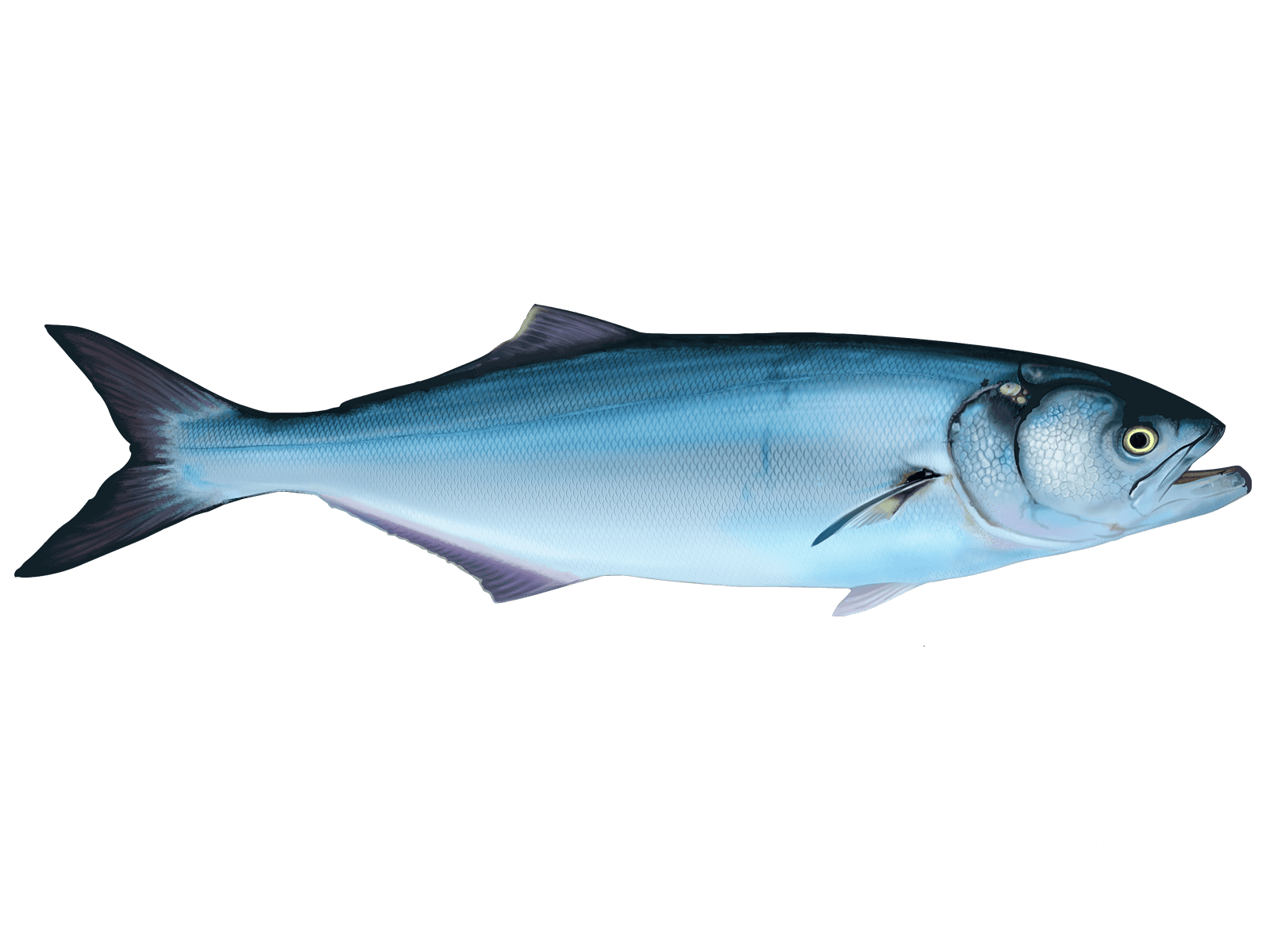
 Bluefish
 Spotted Weakfish
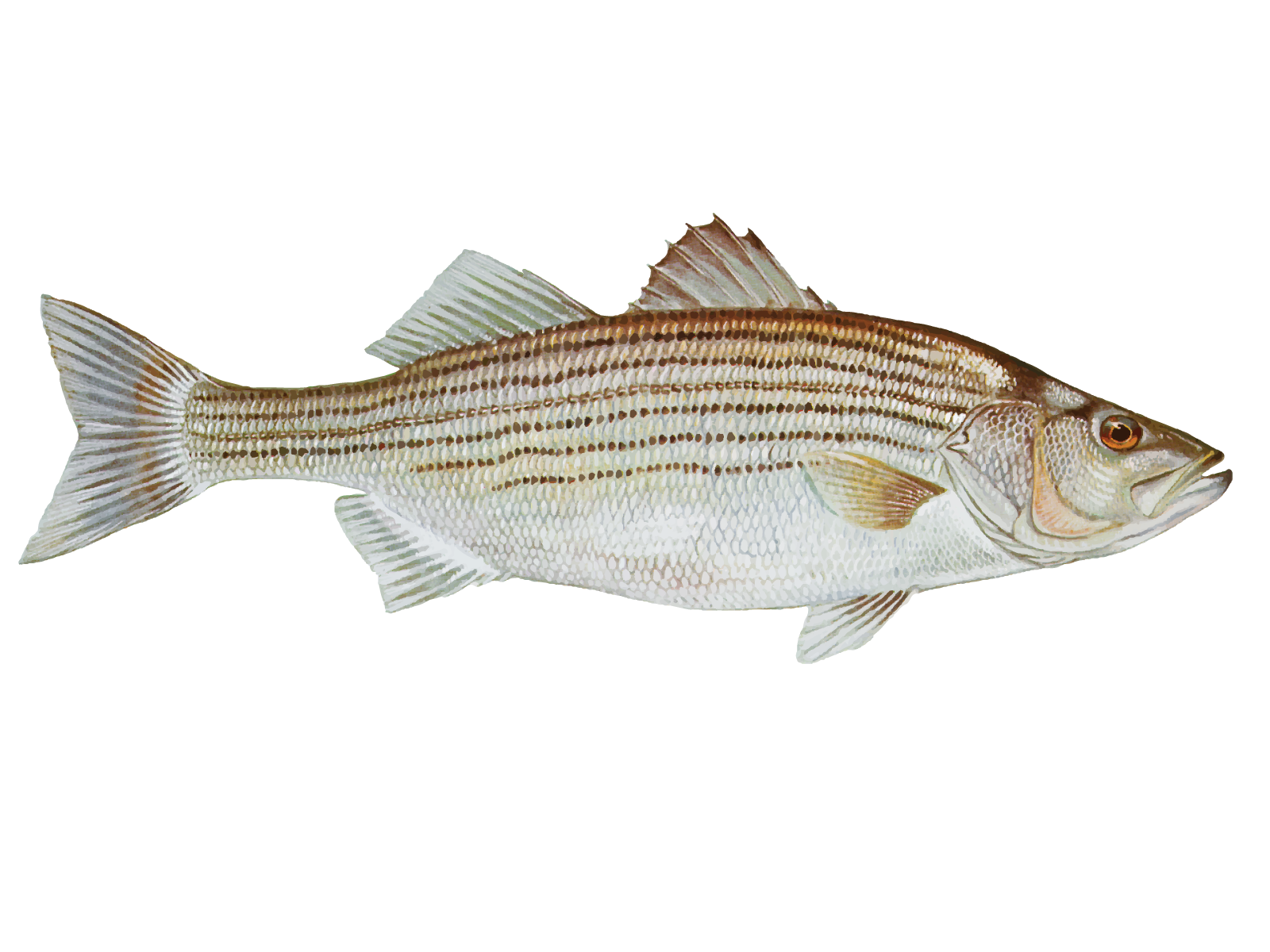 Striped Bass
 Summer Flounder
- 4-hour inshore fishing targeting striped bass, porgy, and black sea bass
- All equipment, bait, and expert guidance included for up to 6 passengers
- Family-friendly protected waters with comfortable boat and seasonal expertise
Trip Pricing and Availabilities:
Blue Point Inshore Fishing Charter
Looking for a solid half-day fishing trip that won't break the bank? This Blue Point inshore charter hits the sweet spot for families and first-time anglers who want to get their lines wet without committing to a full day offshore. At $500 for up to four people, you're getting four hours of guided fishing in some of Long Island's most productive nearshore waters. The captain knows these local bays and channels like the back of his hand, and he'll put you on fish while teaching you the ropes. Whether you're bringing the kids for their first fishing adventure or just want to unwind with friends, this trip delivers without the seasickness that comes with deeper water fishing.
What to Expect on the Water
Kelly Anne Charters keeps things simple and effective on these Blue Point inshore trips. You'll launch right from the local marina and head to productive spots within minutes – no long runs to reach fishing grounds. The boat is set up for comfort with plenty of room to move around, which matters when you're fishing with family or teaching someone new. Captain provides all the gear you need, from rods and reels to tackle and fresh bait, so you can travel light. The focus stays on fishing the structure and current breaks where striped bass, black sea bass, and other inshore species love to hang out. These protected waters mean calmer conditions, making it perfect for anglers who get queasy on rougher offshore trips. You'll fish a variety of spots throughout the four hours, giving everyone onboard multiple chances to hook up.
Techniques & Local Waters
Inshore fishing around Blue Point means working the edges – drop-offs, channel mouths, and structure where baitfish gather and predators follow. The captain switches up techniques based on what's biting, from bottom fishing with clams and squid for black sea bass and porgy, to casting plugs and soft plastics for striped bass cruising the shallows. During summer months, you might find yourself drift fishing over sandy bottom for fluke, while fall brings exciting topwater action as bass push baitfish against the shoreline. The key advantage of these local waters is variety – you're not locked into one style of fishing. Spring tides bring excellent opportunities around creek mouths and back bays, while calmer periods let you work deeper channel edges where bigger fish often lurk. The captain reads conditions daily and adjusts the game plan, whether that means fishing rockpiles for sea bass or working grass beds where weakfish feed.
Target Species You'll Want to Hook
Striped bass are the bread and butter of Blue Point inshore fishing, with schoolies showing up in spring and sticking around through fall. These fish fight hard for their size, making multiple runs and testing your drag system. Peak season runs from May through October, with the best action often happening during moving tides around dawn and dusk. What makes stripers special is their willingness to hit both live bait and lures, giving you options to match the conditions.
Black sea bass might not be the flashiest catch, but they're reliable and delicious. These bottom dwellers love structure and rarely refuse a well-presented piece of clam or squid. Summer months offer the best sea bass action, with fish ranging from keeper size up to chunky three-pounders that really bend the rod. They're perfect for kids and beginners since they bite aggressively and don't require perfect technique to hook up.
Summer flounder, or fluke, turn every drift into a potential trophy opportunity. These flatfish are ambush predators that bury in sandy bottom and attack passing baits with surprising speed. The thrill comes from their unpredictable size – you might catch dinner-plate-sized fish all morning, then hook into a doormat that strips line like a freight train. Peak fluke season runs from May through September, with the largest fish typically showing up during summer's heat.
Spotted weakfish provide some of the most exciting light-tackle action you'll find in these waters. These silver bullets hit baits hard and make blistering runs that test both equipment and angling skills. Spring and fall migrations bring the best weakfish opportunities, particularly around creek mouths where they feed on grass shrimp and small baitfish. Their soft mouths require finesse to land successfully, making each hookup feel like an accomplishment.
Bluefish are the wild cards of Blue Point inshore fishing – when they show up, the action goes crazy. These aggressive predators travel in schools and compete fiercely for food, leading to multiple hookups and non-stop action. Summer and early fall typically produce the most consistent bluefish action, with fish ranging from snapper-sized juveniles perfect for beginners up to chopper blues that can clear a school of bait in minutes. Their sharp teeth and powerful jaws make them exciting to fight and memorable to catch.
Time to Book Your Spot
This Blue Point inshore charter represents excellent value for groups looking to experience quality fishing without the offshore commitment. Four hours gives you enough time to try different techniques and locations while keeping things manageable for families with younger anglers. The $500 price point makes sense when you factor in gear, bait, local knowledge, and hands-on instruction from an experienced captain. If you need space for more than four people, additional anglers cost just $50 each, maxing out at six total. Remember that deposits are non-refundable, so check the weather forecast and your schedule before committing. These inshore trips book up quickly during peak season, especially weekends and holidays when families are looking for outdoor activities. Kelly Anne Charters has built a solid reputation around Blue Point for putting customers on fish and creating positive experiences that bring people back year after year.
Learn more about the species
Black Sea Bass
Black sea bass are chunky, hard-fighting bottom dwellers that average 1-4 pounds around here. You'll find them hugging structure like wrecks, rocky bottom, and jetties in 20-80 feet of water. Late spring through summer is prime time when they move inshore to spawn and feed. These fish put up a solid scrap until they break the surface, then they're done - classic grouper family behavior. People enjoy them because they're reliable biters and excellent eating with firm white meat. During spawning season, the males turn bright blue with a pronounced hump on their heads - pretty cool to see. Best tip I can give: use a two-hook rig with squid or clam strips, and fish right on the bottom near structure. They don't roam much, so if there's good bottom, there's usually fish.
Bluefish
Blues are aggressive fighters that show up in our waters from late spring through fall, usually running 3-8 pounds with some bigger ones mixed in. They travel in schools and can turn the water into a washing machine when they're feeding. You'll find them around bait schools in open water, near structure, and along the surf line. Summer months offer the best action, especially when we see diving birds marking feeding fish. Guests love the hard strikes and strong runs these fish make - they'll test your drag for sure. The meat is tasty when bled and iced quickly, with smaller blues being milder than the big ones. My tip: use wire leaders since their teeth are razor sharp, and when you find one feeding school, stick with it because there are usually more blues nearby.
Spotted Weakfish
Spotted weakfish are silver-bodied fish with dark spots that usually run 12-16 inches, though they can reach 3+ feet. Around Blue Point, we find them in shallow bays and grass beds during warmer months, typically in 10-30 feet of water. They're ambush predators that hit fast when they strike, making for exciting action. Spring through fall gives us the best fishing, especially around dawn and dusk when they move up to feed. People love targeting them because they fight well for their size and make excellent table fare when cooked fresh. Pro tip: use a slow retrieve with soft plastics or live shrimp - their mouths are soft, so don't horse them in once hooked or you'll pull the hook right out.
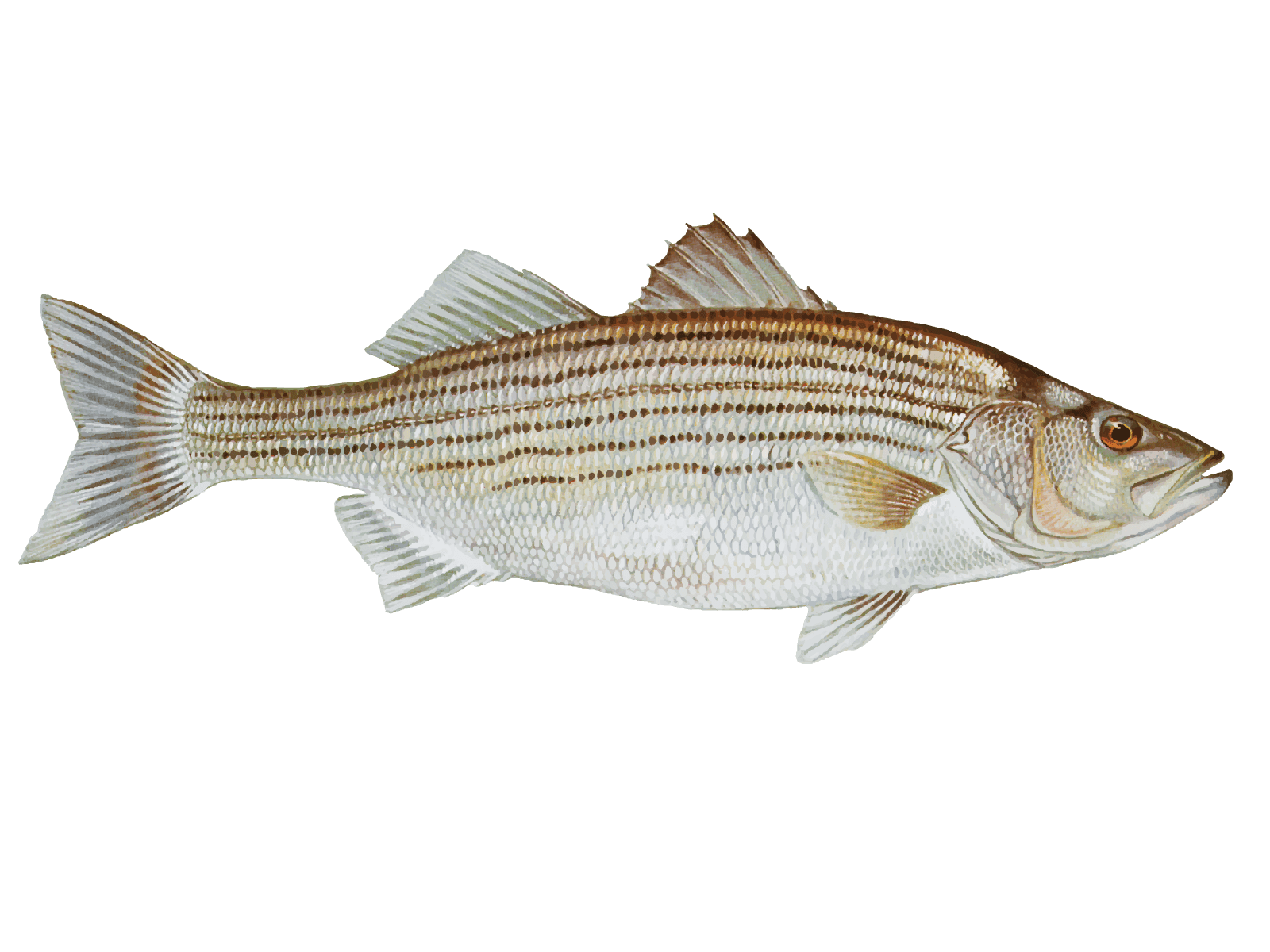
Striped Bass
Stripers are the kings of our local waters, running anywhere from schoolies around 20 inches up to cow bass over 40 pounds. They're structure-oriented fish that love to cruise shorelines, channels, and drop-offs looking for baitfish. Spring and fall migrations bring the best action, but we catch them year-round in different sizes. These fish are known for strong runs and head shakes that'll test your tackle. Most guests target them because they're great fighters and excellent table fare - sweet, flaky meat that's hard to beat. They prefer moving water and often feed best at dawn and dusk. Local trick: watch for diving birds or surface activity that signals feeding fish, and don't be afraid to fish live eels around structure at night when the bigger ones are prowling shallow.
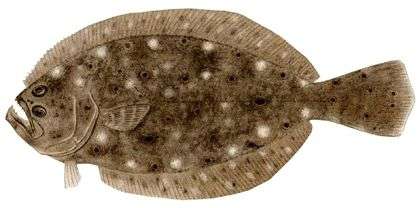
Summer Flounder
Summer flounder, or fluke, are flat ambush predators that can really surprise you with their size - most run 15-20 inches but we get some nice ones over 5 pounds. They bury in sandy bottom waiting for baitfish to swim by, then explode upward to grab them. Best fishing is September through November when they're feeding heavily before heading offshore. You'll find them on sand and mud bottom in bays, channels, and nearshore waters up to 60 feet deep. People love the challenge because they're tricky to hook - they often just mouth the bait. Plus, they're among the best eating fish we catch. Here's the key: use a bucktail with a strip of squid or spearing, and when you feel that tap-tap, don't set the hook right away. Let them run with it a bit, then come tight.
About the Kelly Anne Charters
%2F%2Fusers%2F18a90503-7e3c-41b2-9e8d-73aadf2603c0%2Fvehicle_picture%2Fsnapinsta-ai_ddifmiivwgk-mji2rpn2.jpg&w=1920&q=75)
Vehicle Guest Capacity: 4
Manufacturer Name: Suzuki
Maximum Cruising Speed: 25
Number of Engines: 2
Horsepower per Engine: 300